 OhMyNutri
Zero Waste Living: A Beginner’s Guide to Sustainable Habits
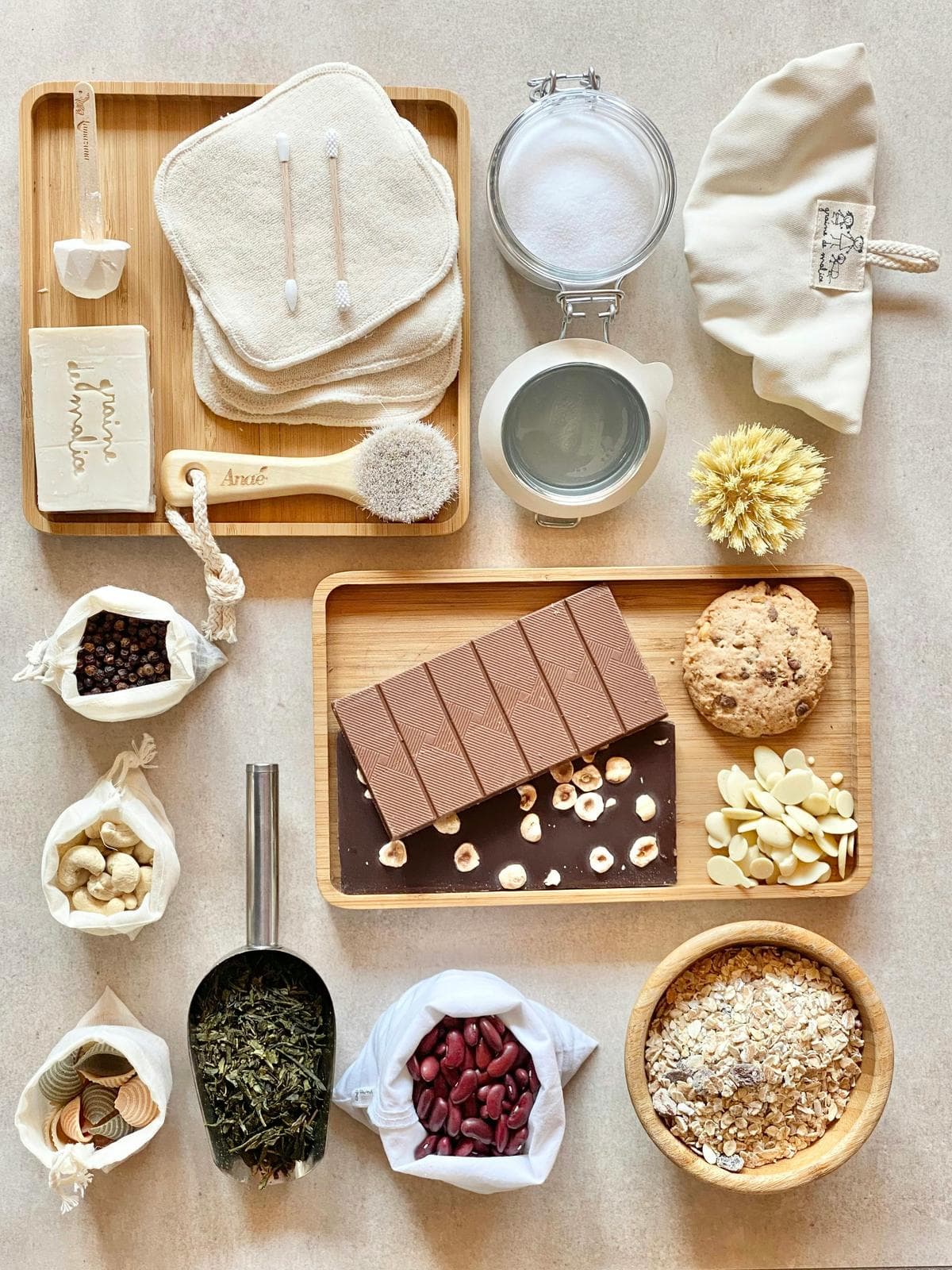
Welcome to the world of zero waste living! If you’re curious about how small changes can lead to a cleaner planet and a healthier lifestyle, you’ve come to the right place. This guide walks you through the core concepts, benefits, and easy‑to‑implement habits for anyone just starting out.
What Is Zero Waste Living?
Zero waste living is a philosophy and set of practical actions aimed at designing out waste rather than managing it after it’s created. It encourages:
- Refusing items you don’t need.
- Reducing consumption of single‑use products.
- Reusing containers, bags, and tools.
- Recycling only what truly can’t be avoided.
- Rotting organic waste through composting.
The goal isn’t perfection; it’s about making intentional choices that keep materials in use for as long as possible.
Why It Matters: Environmental & Personal Benefits
| Benefit | How It Impacts You |
|---|---|
| Lower Carbon Footprint | Producing fewer goods reduces greenhouse‑gas emissions. |
| Less Landfill Space | Diverting waste means fewer toxins leaching into soil and water. |
| Financial Savings | Reusing items and buying in bulk cuts everyday expenses. |
| Mindful Consumption | You become more aware of what you truly need, leading to a simpler, less stressful life. |
Simple Steps to Start Your Zero Waste Journey
1. Conduct a Waste Audit
Take a photo of a typical trash bag for a week. Identify the top three items you discard most often.
2. Refuse Unnecessary Items
Say no to plastic cutlery, straws, and promotional flyers. Politely request a bag‑free checkout.
3. Choose Reusable Alternatives
- Shopping: Reusable cloth bags or sturdy canvas totes.
- Beverages: A stainless‑steel water bottle or a glass coffee mug.
- Food Storage: Beeswax wraps, silicone lids, or glass containers.
4. Buy in Bulk
Visit bulk bins for grains, nuts, and spices. Bring your own containers to avoid extra packaging.
5. Compost Organic Waste
If you have a garden, start a small compost bin. For apartments, consider a countertop compost tumbler.
Everyday Tools & Resources
- Mobile Apps: Track your waste reduction progress and find nearby refill stations.
- Websites: Zero‑waste directories list package‑free stores and community swap events.
- Community Groups: Join local Facebook or Discord groups to share tips and swap items.
Common Myths Debunked
| Myth | Reality |
|---|---|
| “Zero waste is too expensive.” | Many reusable items cost less over time than disposable equivalents. |
| “I can’t live without plastic.” | Alternatives like bamboo, glass, and metal replace most everyday plastics. |
| “It’s only for environmental activists.” | Anyone can adopt a few habits; every reduction counts. |
Next Steps & Continuing the Momentum
- Pick One Habit – Start with the easiest change (e.g., bring a reusable bag to every shop).
- Set a Small Goal – Aim to reduce your trash weight by 10 % in the first month.
- Stay Inspired – Follow zero‑waste blogs, podcasts, or social media accounts for fresh ideas.
- Share Your Progress – Encourage friends and family; community support makes lasting change easier.
Remember, zero waste is a journey, not a destination. Each mindful choice adds up to a bigger impact.